
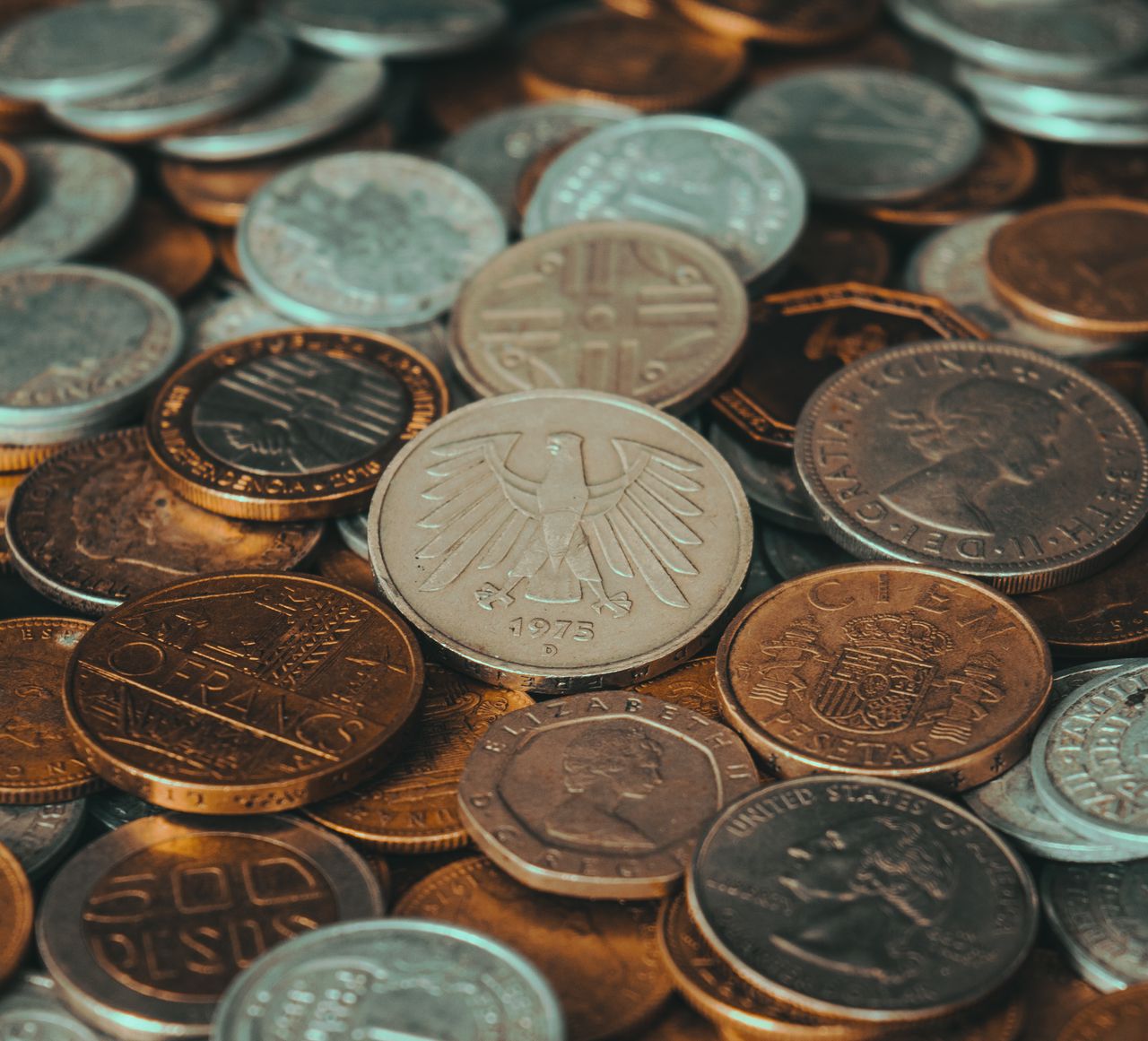
Identifying rare coins is one of the most exciting aspects of coin collecting. Whether you are a beginner or an experienced enthusiast, understanding what makes a coin unique can help you recognize interesting pieces and build a more meaningful collection. Rare coins often stand out because of their limited production, historical importance, unusual designs, or distinctive minting characteristics. Learning how to examine these features is the first step toward becoming a more knowledgeable collector.
One of the most important things to look for when identifying a coin is its date and mint mark. These details can help determine where and when a coin was produced and whether it belongs to a particularly scarce issue. Collectors should also pay attention to unusual characteristics, such as double strikes, missing design elements, off-center strikes, and other minting errors. Comparing coins with reliable identification references and official mint records can provide valuable information about their origins and varieties.
Condition is another essential factor in coin identification. Coins that have experienced little wear and retain their original details are generally more desirable to collectors than heavily circulated examples. However, rarity alone does not guarantee high value, and even coins that appear unusual may be relatively common. By developing good observation skills, researching coin varieties, and using trusted numismatic resources, beginners can gradually improve their ability to identify interesting and potentially valuable coins.